
21st Century Teaching Skills: Shaping the Future of Education!
21st century skills are a set of competencies that individuals need to succeed in today’s fast-paced, technology-driven, and interconnected world. These skills go beyond traditional academic knowledge, focusing on abilities that are critical for personal, academic, and professional success. Key 21st century skills include critical thinking, problem-solving, creativity, communication, collaboration, and digital literacy. These competencies are essential for navigating the complexities of modern life, including adapting to new technologies, working in diverse teams, and tackling real-world challenges. Mastering these skills helps individuals stay competitive and equipped for a dynamic future. Education in the 21st century is evolving rapidly, driven by advancements in technology, shifting societal needs, and an ever-changing global landscape. For educators to remain effective and prepare students for the future, they must adapt to these changes by mastering a new set of teaching skills.
The Importance of 21st Century Skills
The importance of 21st century skills lies in their ability to prepare individuals for the demands of a fast-changing global economy and society. In a world driven by technology, innovation, and global interdependence, traditional rote learning is no longer sufficient. Students must be able to think critically, collaborate with diverse groups, adapt to new technologies, and communicate effectively across various platforms. These skills empower students to tackle complex real-world problems, embrace continuous learning, and remain competitive in a job market that increasingly values adaptability and interdisciplinary knowledge.
21st Century Learning Strategies and Implementation:
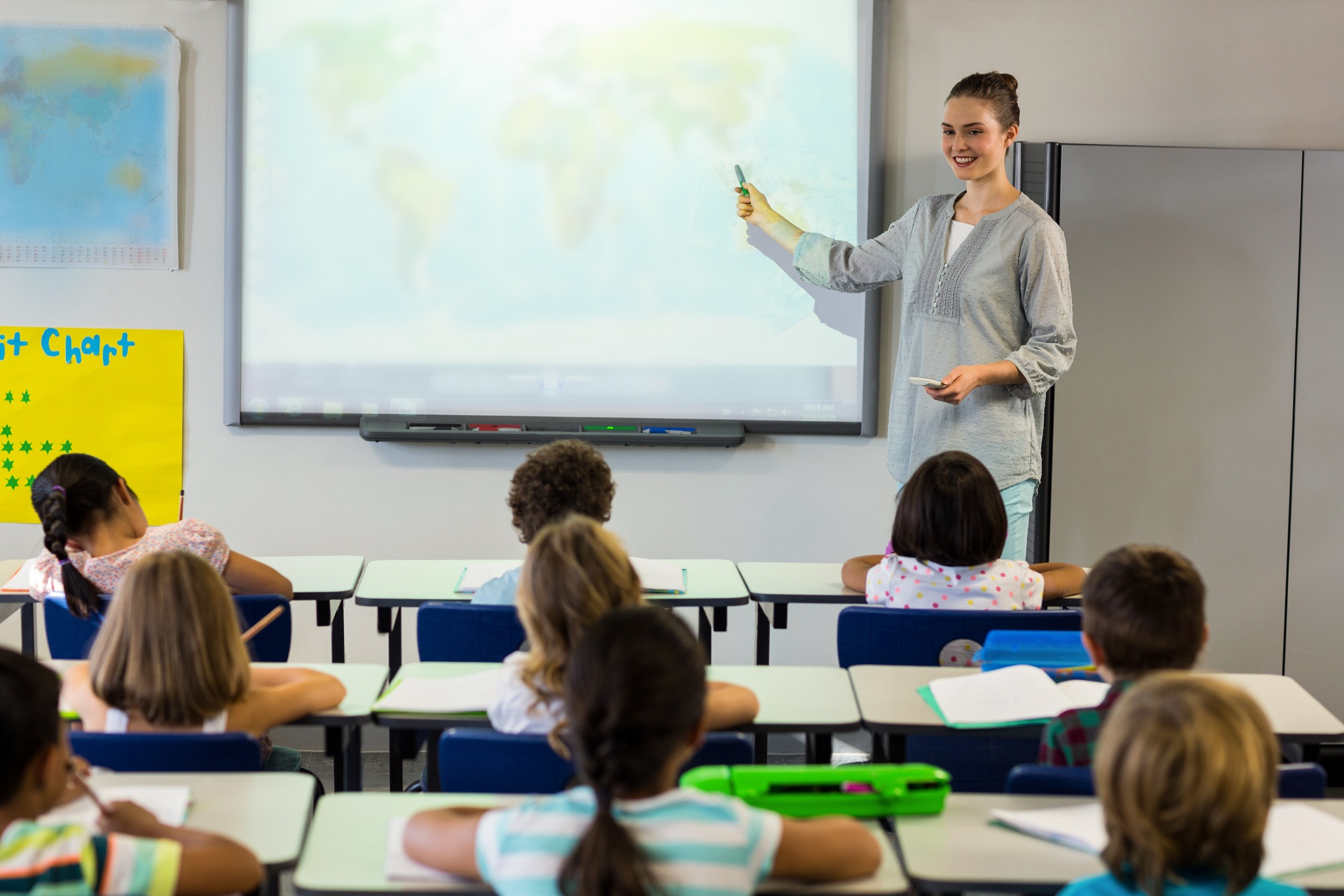
21st century learning strategies focus on transforming traditional teaching to foster skills needed for the future. This involves active learning, where students solve real-world problems, collaborate, and apply knowledge practically. Teachers create student-centered environments that promote creativity, critical thinking, and exploration, often using technology to enhance learning. Strategies like project-based learning, flipped classrooms, and inquiry-based learning encourage deeper engagement. Successful implementation requires continuous professional development for educators and the use of tools that support collaboration, digital literacy, and personalized learning. The goal is to prepare students as active creators and problem solvers who can thrive in a changing world.
Frameworks for 21st Century Skills
This popular framework was designed by the Partnership for 21st Century skills. Describing the skills, knowledge, and expertise students must master to succeed in work and life, the framework combines content knowledge, specific skills, expertise, and literacies. P21 believes that the “base” of 21st century learning is the acquisition of key academic subject knowledge, and that schools must build on that base with additional skills including Learning Skills, Life Skills, and Literacy Skills.
- Learning Skills: Also known as the “four Cs” of 21st century learning, these include critical thinking, communication, collaboration, and creativity.
- Life Skills: Flexibility, initiative, social skills, productivity, leadership
- Literacy Skills: Information literacy, media literacy, technology literacy
Conclusion
The 21st-century classroom demands a shift in teaching practices and a reevaluation of the skills necessary to prepare students for the future. Educators must evolve with the times, incorporating technology, fostering creativity, and encouraging collaboration, all while addressing the individual needs of their students. The ultimate goal is to equip students not just with knowledge, but with the skills to navigate and thrive in an ever-changing world. By embracing these essential teaching skills, educators can help shape the leaders, innovators, and thinkers of tomorrow.

dasdfddgs